Deliver babies at health facilities
- Moses Chimfwembe

- Apr 24, 2017
- 3 min read
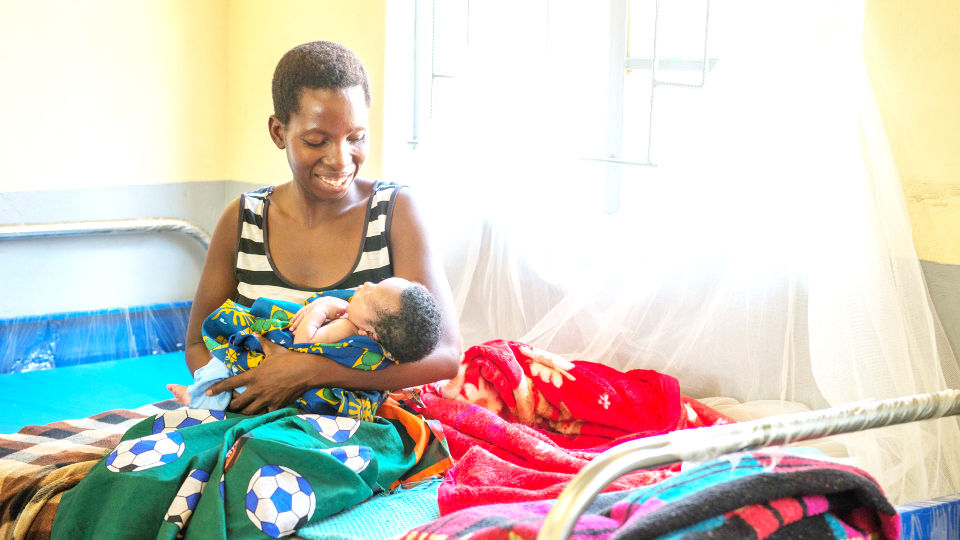
‘NO woman should die while giving life,’ is a global phenomenon that has given rise to well coordinated efforts by governments, cooperating partners, and non-governmental organisations among other players, to scale up programmes aimed at alleviating maternal mortality.
In Zambia though, unsafe delivery is one of the factors hampering efforts to lessen the scourge of women dying while giving life.
With the country’s maternal mortality rate currently at 398 deaths per 1000 live births, more women especially in rural areas continue to die from complications of giving birth in conditions that are deemed not safe for delivery.
One of the pillars in safe motherhood is safe delivery, which requires that women must deliver at health facilities, under the care of qualified health professionals, however, about 53 percent of births in Zambia occur in homes.
Government has of late constructed a number of health posts in rural areas across the country to support the equitable provision of maternal child health (MCH) services.
Cooperating partners like UNICEF have also put in place various initiatives such as the establishment of Safe Motherhood Action Groups (SMAGs) that are trained, and provided with basic supplies to reach out to the most disadvantaged women and the most in need.
Furthermore, the Planned Parenthood Association of Zambia (PPAZ) has set up mothers’ waiting shelters in selected areas to promote safe delivery.
Despite all these efforts, some women do not understand and accept the fact that a health facility is the safest place to deliver a baby.
Hosea Foloko is a resident of Masaiti District in the rural part of the Copperbelt province, and she shares her experience.
“Mukolwe area (in Masaiti District) is one of the few places to have benefited from mothers’ waiting rooms which was facilitated by PPAZ some years ago but to be honest, I have had to bear my two children at home not because I don’t want to use the facility available but it’s just the attitude.”
“I am very much aware of how risky it is to deliver at home because during my last pregnancy, I had to be rushed to the hospital due to excessive bleeding which some SMAG members in our community, could not handle when they were called in to help,” she says.
In contrast, Faith Fubisha of the same area says most women in Mukolwe have always yearned for the safest facility where they could deliver babies without facing the risk of losing their lives.
She says the construction of a mothers’ waiting shelter and training of SMAGs to make services available in her area, was an answer to their challenges of covering long distances to access healthcare facilities.
“The nearest health facility at Masaiti Boma is far from our homes and before this mothers’ shelter was constructed, many women would walk that long distance despite being pregnant to access the services resulting in most of them preferring to deliver at home. We are happy that most of us are now making use of this shelter for our safety,” she says.
During a sensitisation workshop conducted in Masaiti recently, Zambia Medical Association (ZMA) vice president Abidan Chansa stressed the importance of giving birth at health facilities.
“Health facilities are fully equipped to deal with any complications that arise during and after giving birth. It is therefore, important for mothers here (Masaiti) to always seek to giving birth at health facility to avoid the risks associated with childbirth.”
“During late pregnancy and early labour, women and families should act on danger signs, such as High Blood Pressure, swollen feet, bleeding of any sort by going to the clinic or health facility early,” Dr Chansa said.
Many of the deaths counted as maternal deaths occur in the hours and days right after delivery with severe bleeding (Hemorrhage) and infection (sepsis) as the worst complications.
Such complications are common and can be managed easily in a clinic setting, but are likely to lead to death at home.
The first examination of a woman after delivery is within six hours, therefore, women should stay in the clinic at least six hours after delivery to minimise the risk of bleeding and infection. This signifies the importance of giving birth at health facilities.
It is also critical for expecting families make sure a complete birth plan is in place, and a health facility for delivery decided in advance before the due date of the pregnancy.

Comments